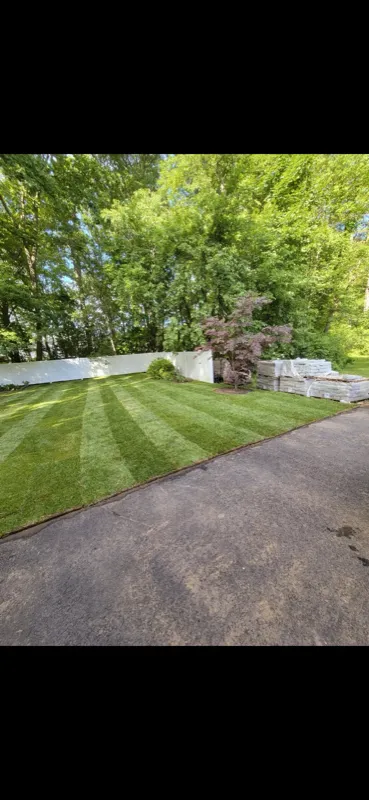
- Fall fertilization (late October/early November) is the most important feeding of the entire year for cool-season lawns
- Lower your final mowing height to 2-2.5 inches to prevent snow mold
- Stay off frozen grass — frozen blades are brittle and break under foot traffic
- Road salt damages grass within 3-4 feet of treated surfaces — use alternatives near lawn edges
- Do not rush spring recovery — wait until soil is no longer spongy before walking on or mowing the lawn
While your lawn may look dormant and lifeless during Boston's cold winters, an enormous amount is happening below the surface. Your grass roots continue to grow slowly whenever soil temperatures remain above 40°F, which in Massachusetts can occur even in January during mild spells. The carbohydrates stored in the root system during fall are slowly metabolized to keep the plant alive. The microbial community in the soil continues to function, breaking down organic matter and cycling nutrients. What you do — and critically, what you avoid doing — during the winter months significantly impacts how your lawn performs when spring arrives. This guide covers everything Massachusetts homeowners need to know about winter lawn care, from the essential fall preparation work that sets the stage, through winter protection practices, to the optimal spring recovery strategy.
Fall Preparation: Setting Your Lawn Up for Winter Success
The most important winter lawn care actually happens in fall. The work you do from September through November determines how well your grass survives the cold and how fast it recovers in spring.
The Final Mowing Sequence
As growth slows in October, gradually lower your mowing height over the last 3-4 cuts of the season, ending at 2-2.5 inches — shorter than your summer height of 3-3.5 inches. This shorter height going into winter serves two important purposes. First, shorter grass is less likely to mat down under snow, and matted grass creates the warm, moist conditions that snow mold fungus thrives in. Second, shorter grass reduces the amount of dead blade tissue that can harbor disease organisms through the winter. Do not scalp the lawn in one drastic cut — gradual reduction over several mowings is essential to avoid stressing the grass.
Fall Fertilization — The Most Important Feeding of the Year
The late-fall fertilizer application (typically late October to mid-November, applied just before the ground freezes) is the single most important feeding for cool-season Massachusetts lawns. While it may seem counterintuitive to fertilize when the lawn appears to have stopped growing, the grass roots are still actively absorbing nutrients. A winterizing fertilizer high in potassium (the third number in the N-P-K ratio) strengthens cell walls, improves cold tolerance, enhances disease resistance, and drives carbohydrate storage in roots. This stored energy is what fuels the rapid green-up you see in spring. Lawns that receive a proper fall fertilizer application consistently outperform lawns that do not, coming out of winter greener, denser, and with fewer bare spots.
Leaf Removal Is Non-Negotiable
We cannot stress this enough: do not let leaves accumulate on your lawn heading into winter. A layer of matted, wet leaves blocks the light that grass needs for late-season photosynthesis, traps moisture against the grass surface, creates ideal incubation conditions for snow mold and other fungal diseases, provides shelter for voles and other lawn-damaging rodents, and can smother grass entirely in areas of heavy accumulation. Remove leaves completely from lawn areas before the first sustained snowfall. Leaf mulching (shredding with a mulching mower and leaving the fine particles on the lawn) is acceptable for light leaf coverage but not for heavy deposits.
Core Aeration and Overseeding
If you did not aerate and overseed in September, late October is the last chance. Core aeration relieves soil compaction, improves water infiltration, and creates channels for oxygen to reach roots. Overseeding thin areas introduces new grass plants that will establish root systems over winter and surge with growth in spring. The combination of fall aeration, overseeding, and fall fertilization is the most effective lawn renovation treatment available.
During Winter: Protection and Patience
Once the ground freezes and snow begins to accumulate, your active lawn care role shifts from maintenance to protection. The primary goal during winter is to avoid causing damage to a lawn that cannot repair itself until spring.
Minimize Foot Traffic on Frozen Grass
Prevent Salt Damage
Road salt (sodium chloride) is toxic to grass. The salt spray from plow trucks and the runoff from salted driveways and walkways can damage or kill grass within 3-4 feet of treated surfaces. Over time, salt accumulates in the soil, raising sodium levels to the point where grass cannot grow. To minimize salt damage, use salt sparingly on surfaces adjacent to lawn areas. Consider calcium chloride or magnesium chloride alternatives, which are less damaging to plants. Never pile salty snow on lawn areas. In spring, flush salt-affected areas with heavy watering to leach sodium out of the root zone.
Watch for Snow Mold
Snow mold is the most common winter lawn disease in Massachusetts. It develops under snow cover when temperatures hover near freezing. There are two types. Gray snow mold (Typhula) appears as circular gray-white patches 6-12 inches in diameter when snow melts. Pink snow mold (Microdochium) shows as bleached patches with a slight pink tinge, and it is more damaging because it attacks the crown of the plant, not just the blades.
Snow mold is encouraged by matted grass (mowed too tall going into winter), leaf debris left on the lawn, heavy snow on unfrozen ground, and extended snow cover. When you spot snow mold in spring, gently rake the affected areas to break up the matted grass and promote air circulation. Most gray snow mold damage is superficial and the grass recovers. Pink snow mold may require overseeding in severely damaged areas.
Monitor Drainage and Ice
Watch for ice dams or packed snow that redirect water flow onto your lawn. Standing water on frozen ground can damage or kill grass. Break up ice formations that channel meltwater across the lawn. Ensure downspout extensions and drainage systems are clear and directing water away from turf areas.
Vole Damage
Voles (small, mouse-like rodents) create surface tunnels and runways under snow cover, feeding on grass crowns and roots all winter. You will not know the damage exists until spring, when the snow melts to reveal networks of dead, chewed trails across your lawn. Preventing vole damage starts in fall — keep grass short (2-2.5 inches) going into winter, which removes their protective cover. Clear heavy mulch from lawn edges where voles nest. If damage is discovered in spring, rake the tunnels to fluff the grass and overseed bare areas.
Early Spring Transition: The Road to Recovery
Wait for the Right Conditions
- Soil should be thawed and no longer spongy
- Grass should be starting to show green color at the base
- You should be able to walk across the lawn without leaving visible footprints
- Typically mid-April to early May in the Boston area, depending on the specific spring
First Spring Assessment
Walk the entire lawn and note dead or thin areas that need overseeding, snow mold damage locations, vole damage trails, areas affected by salt damage (usually adjacent to driveways and walkways), winter debris (branches, trash, gravel from the driveway), and any areas where drainage pooling occurred.
Gradual Recovery Plan
Your first mowing should be at 2.5-3 inches — slightly shorter than your summer height — to remove dead winter blade tips and expose the crowns to sunlight and warmth. Remove all debris with a gentle raking that also helps lift matted grass and improve air circulation. Apply pre-emergent herbicide for crabgrass when forsythia bushes bloom and soil temperature reaches 55°F — typically mid-April in the Boston area. Overseed thin and bare areas in early spring (note: pre-emergent herbicide prevents grass seed from germinating, so do not overseed and apply pre-emergent to the same area). Begin your fertilization program with a balanced spring feeding.
Monges Landscaping offers year-round lawn care programs that include fall winterization, winter property care, and spring restoration — everything your Massachusetts lawn needs to stay healthy through every season. Call us for a free lawn care assessment.
Professional Winter Lawn Services
Monges Landscaping provides complete seasonal lawn care throughout Boston, Cambridge, Newton, and Metro West, including fall winterization programs (final mowing, fertilization, leaf removal, aeration), snow removal services designed to protect your lawn and landscaping, and spring restoration services (cleanup, overseeding, fertilization, pre-emergent application). Contact us to ensure your lawn survives winter and thrives in spring!